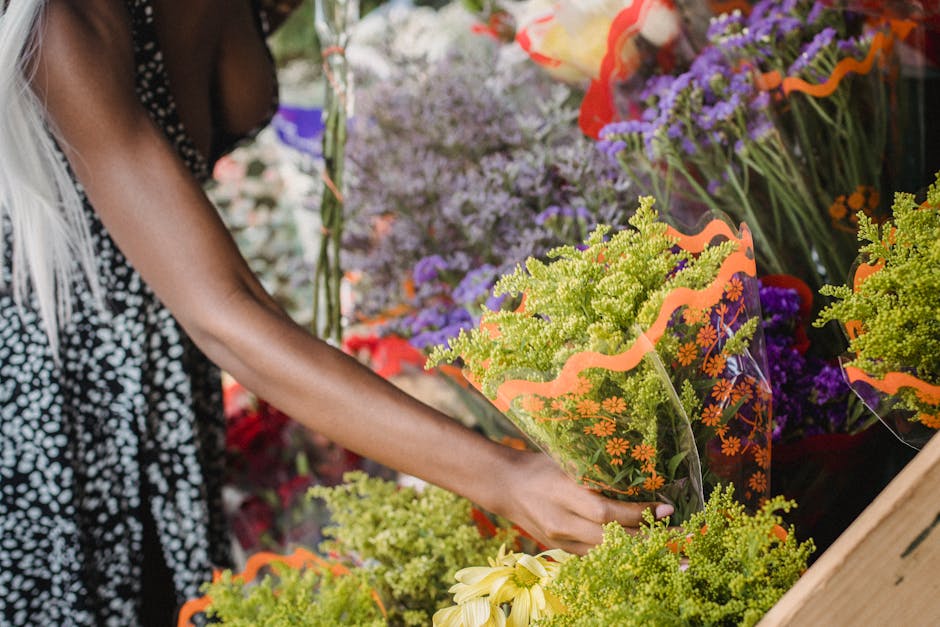
What to know about Hackney Council floral event permits
Posted on 17/09/2026
If you are planning a flower stall, a community display, a wedding installation, or a public-facing floral feature in Hackney, the permit side can feel like the least glamorous bit of the job. It rarely is. What to know about Hackney Council floral event permits comes down to a simple idea: before the flowers go up, you need to be clear on where the display sits, who controls the space, and whether the council expects permission for the activity. Get that part right and the rest tends to flow far more smoothly.
In practical terms, floral events can touch public space, access, safety, trading, and cleanup responsibilities. That is why a permit may be needed, even for something that looks temporary or low-risk. The good news? Once you understand the basics, the process becomes much less intimidating. Below, you will find a plain-English guide to the main considerations, common mistakes, and a sensible step-by-step way to approach approval without turning the whole thing into a paperwork marathon.
Before we get into the detail, one small reality check: councils usually care less about the flowers themselves and more about what the flowers are doing to the space around them. Are people walking past safely? Is the pavement still usable? Is there noise, waste, or obstruction? That is the kind of thinking that matters.
Table of Contents
- Why Hackney Council floral event permits matter
- How the permit process works in practice
- Key benefits and practical advantages
- Who this is for and when it makes sense
- Step-by-step guidance
- Expert tips for better results
- Common mistakes to avoid
- Tools, resources and recommendations
- Law, compliance, standards, or best practice
- Options, methods, or comparison table
- Case study or real-world example
- Practical checklist
- Conclusion
- Frequently asked questions
Why Hackney Council floral event permits matter
Permits matter because floral events do not happen in a vacuum. Even a beautiful installation can create practical issues if it sits in the wrong place or runs without permission. A pop-up floral stand outside a shop, a memorial display, a wedding arch on a terrace, or a branded flower activation in a public space may all have different requirements. The key question is not simply, "Is it flowers?" It is, "What impact will it have on the area?"
For Hackney, that is especially relevant because the borough is busy, varied, and full of mixed-use streets, residential pockets, and high-footfall public areas. One corner can feel calm at 9am and completely different by lunchtime. Truth be told, that is where many event organisers get caught out. They assume a small setup is automatically harmless, but councils tend to look at the wider setting.
A permit can also protect you. It gives you a clearer framework for what is allowed, what conditions apply, and who is responsible if plans need adjusting. That matters if you are coordinating with a venue, a market operator, a wedding client, or a brand team. No one enjoys last-minute confusion on the day, especially when buckets of stock are already on site and someone is asking where the barrier tape went.
There is another reason too: public accountability. Floral events can be lovely additions to a street or venue, but they still need to sit within local rules on access, health and safety, waste management, and sometimes trading or land use. A permit process helps separate a thoughtfully planned event from one that looks, well, a bit improvised.
How Hackney Council floral event permits work in practice
The exact route depends on the type of floral activity, the location, and whether the space is privately owned, privately managed, or part of the public highway. That sounds a little dry, but it is the real crux of it. If you are on private premises, the landlord or venue may be the main decision-maker. If you are on a pavement, outside a shopfront, in a public square, or using roadside space, the council may have a much bigger role.
In many cases, the permit conversation starts with the event details rather than the flowers. You will usually need to explain what the activity is, where it will happen, how long it will last, whether anything will be fixed to the ground, and how people will still move safely around it. If the setup includes power, structures, or large crowds, the scrutiny is likely to be higher.
A useful way to think about it is this: a floral event is rarely judged in isolation. It is judged as part of the place it occupies. A neat table arrangement in a showroom is one thing. A flower installation across part of a footway during school pick-up time is another. Same aesthetic, very different permissions.
Applications, where required, often ask for practical details such as:
- the location and exact footprint of the display or event
- dates, setup times, and take-down times
- the type of floral materials and any supporting structures
- public access arrangements and crowd flow
- risk controls, especially if items could topple, spill, or block routes
- cleanup plans, waste disposal, and reinstatement of the site
That is why clear planning pays off. A rushed request with vague details can stall. A tidy application that shows you have thought through the basics tends to land better. Not always instantly, but better.
Key benefits and practical advantages
People often think permits are just bureaucracy. Sometimes they are annoying, yes. But in the right situation, they are also useful. A proper permit process can make an event more stable, more credible, and easier to deliver.
Here are the main advantages:
- Clarity on what is allowed - You know where you stand before you invest in stock, hire equipment, or brief staff.
- Lower risk of disruption - Fewer surprises on the day, which is worth its weight in tulips when deliveries are already arriving.
- Better relationship with local authorities - A well-handled permit request shows you are taking the borough seriously.
- Safer public interaction - Route widths, obstruction, and emergency access are considered early rather than after the fact.
- More professional delivery - Clients, venues, and partners tend to trust a floral event that has proper permissions in place.
- Less chance of costly changes - Reworking a display at the last minute can be expensive and stressful.
There is also a softer benefit that matters in real life: confidence. When the paperwork is sorted, your team can focus on stem counts, staging, and customer experience instead of wondering whether someone will turn up and ask awkward questions halfway through setup.
If you are running a business in the area, local ordering and delivery systems can help support event planning too. For example, a florist working around a launch or celebration may pair event installations with regular customer orders through flower delivery in South Hackney E9 or faster options like same-day flower delivery in South Hackney when a last-minute floral fix is needed.
Who this is for and when it makes sense
This topic is not just for big event organisers. In fact, smaller projects are often where people get caught off guard. If you are setting up any floral activity that extends beyond a simple indoor arrangement, it is worth checking whether permission is needed.
Common situations include:
- street-facing flower stalls or temporary pop-ups
- wedding florals that use public access areas, pavements, or entrances
- community flower events, workshops, or seasonal installations
- brand activations with floral backdrops or photo points
- memorial or tribute displays in semi-public settings
- large deliveries or set builds where loading, unloading, or vehicle access is affected
You will usually want to think about a permit if the event involves visible public space, temporary structures, or anything that could alter normal movement. If your setup is entirely inside a booked venue, the venue may manage the permissions side. Even then, ask. Better to be slightly cautious than assume the venue has handled it all when they have only handled half.
For florists serving weddings, the line can be especially blurry. A bridal bouquet is straightforward. A full ceremony arch, aisle dressing, table arrangements, and a doorway installation? That is where coordination matters. If you are planning a wedding package, related products like wedding flowers in South Hackney or wedding table arrangements can form part of the bigger picture, but the permit question still depends on the venue and location.
Step-by-step guidance
If you are approaching Hackney Council floral event permits for the first time, keep the process simple. Do not start with design mood boards. Start with the site.
- Define the event type. Is this a retail display, a wedding installation, a public event, a memorial piece, or a branded activation? The purpose affects the permissions conversation.
- Map the exact location. Pin down the address, frontage, or public area. Take note of entrances, exits, and nearby footfall patterns.
- Check who controls the space. Private venue, landlord, market operator, or council-managed land? That distinction changes everything.
- List the physical elements. Flowers, stands, arches, plinths, tables, signage, lighting, water containers, barriers, and anything else that touches the ground or affects movement.
- Assess practical risks. Consider trip hazards, wind exposure, spill risk, vehicle access, and how the setup will be secured.
- Plan setup and breakdown times. If you are working near busy roads or pedestrian traffic, timing matters more than people think.
- Prepare supporting information. Photos, sketches, measurements, and a short method statement can help a lot. Plain and simple.
- Allow time for review. Even straightforward requests can take time, and more complex ones usually need back-and-forth.
- Confirm conditions in writing. If permission is granted, keep the conditions close at hand. Print them. Forward them. Do whatever makes them impossible to lose in a messy inbox.
- Brief everyone involved. Florists, drivers, venue staff, stewards, and anyone handling set-up should know the do's and don'ts.
Here is the thing: a permit is only useful if the people on site actually follow it. A carefully worded approval does not mean much if the install team has not seen it by 8am. That part is easy to miss.
Expert tips for better results
From a practical florist or event-planning point of view, the strongest applications are the ones that make the council's job easy. You want to show that you understand the space, the timings, and the consequences of putting beautiful things in a busy place.
A few tips stand out:
- Be precise with measurements. "Small display" is not much help. Actual width, depth, and height are far better.
- Think about weather. Even a light breeze can shift lightweight items. Wet pavement changes handling and cleaning needs.
- Use stable materials. Water-filled bases, weighted stands, and secure fixings reduce avoidable problems.
- Keep access routes visible. If people must squeeze around the setup, you may be creating hassle for the public and for yourself.
- Build a tidy finish into the plan. Removal, sweep-down, and waste collection should not be afterthoughts.
- Leave room for judgment. A small human detail can make all the difference. If the council asks for a tweak, responding calmly usually gets you further than pushing back hard.
In our experience, the people who succeed fastest are rarely the flashiest. They are the ones who send clean information, answer questions quickly, and keep their tone polite. Very unglamorous. Very effective.
If you are arranging floral work around corporate hospitality or repeat events, it can also help to think in terms of consistent supply. Pages such as corporate accounts and corporate gifting may be useful if your event is part of a broader business relationship rather than a one-off installation.
Common mistakes to avoid
This is where a lot of event organisers lose time. Not because they are careless, but because they underestimate how detail-sensitive permit requests can be.
- Leaving it too late. A floral event may look temporary, but permissions can still take time. Last-minute applications often create stress that could have been avoided.
- Assuming indoor rules apply outdoors. A display that works fine in a shop window may not be suitable on a pavement or open forecourt.
- Ignoring access needs. People with pushchairs, mobility aids, luggage, or delivery trolleys still need space.
- Forgetting waste. Cardboard, cut stems, water, zip ties, and broken packaging all need a plan.
- Underestimating power and fixings. If lighting, refrigeration, or fixings are involved, the complexity climbs quickly.
- Using vague descriptions. "Floral event" can mean almost anything. Be specific.
- Not coordinating with the venue. A venue and a council may each have different expectations. You need both aligned.
One of the more awkward scenes I have seen is a team carrying buckets of stems across a busy entrance while someone else is hunting for permission documents on a phone screen with one bar of signal. Not ideal. Not even close.
Even if the event is modest, it is worth preparing as though the details will be checked. Because sometimes they are. And that is fair enough, really.
Tools, resources and recommendations
You do not need fancy software to handle floral event permissions well. What you do need is a tidy set of documents and a clear way of sharing them.
Useful tools and materials include:
- Site photos taken at the actual location, ideally from several angles
- A simple annotated sketch showing flower placement, barriers, and access routes
- A timing sheet for delivery, build, live event time, and breakdown
- A short risk summary covering weather, stability, and public contact points
- A contact list for the organiser, florist, venue, and on-site lead
- Cleaning and waste plan so the space is left properly afterwards
If you run floral activity regularly, it helps to keep a reusable permit pack on file. That can include standard descriptions of your setup, insurance details if relevant, and a checklist of recurring questions. Not glamorous, but it saves a surprising amount of time. Also, it stops the panic-scroll through old emails the night before a job.
When you are sourcing flowers for events, a broader catalogue can be useful too. Browsing all flowers or choosing a seasonal mix like mixed colours can make it easier to match the floral concept to the venue rules and event tone. For tighter budgets, options like cheap flowers may help keep costs under control without making the display feel thin.
Law, compliance, standards, or best practice
This topic can touch several areas of compliance, and it is wise to treat them separately. The exact legal requirements depend on where the event is held and what it affects, so do not assume one permit solves every issue.
Typical areas to consider include:
- Use of public space - if the event occupies or affects a highway, pavement, forecourt, or public access area
- Health and safety duties - safe setup, stable structures, clear walkways, and sensible supervision
- Temporary structures - anything larger or more complex may need extra scrutiny
- Noise, nuisance, and waste - especially if the event is public-facing or runs later in the day
- Venue rules and landlord consent - private sites often have their own requirements
- Insurance expectations - many organisers and venues expect appropriate cover
Best practice is to document what you are doing, why you are doing it, and how you will keep people safe. The wording does not need to be legalistic. In fact, plain English is better. Councils and venues usually appreciate clear, honest information more than polished jargon.
If your floral event involves sensitive or ceremonial settings, the standard of care should be even higher. For example, tribute arrangements, wedding installations, and public memorial pieces often require extra tact, quiet coordination, and a strong finish. You can see the difference in product types such as wreaths, tributes, and bridal bouquets, where presentation and reliability are not just nice-to-have. They are the job.
Options, methods, or comparison table
Depending on the setup, you may be dealing with one of several permission routes. The right path depends on location and impact, so this comparison is only a practical guide, not a substitute for checking the specific site.
| Scenario | Likely permission focus | Main risk to watch | Best approach |
|---|---|---|---|
| Indoor floral event in a private venue | Venue approval and house rules | Fire exits, floor protection, load-in timing | Confirm venue requirements early and document setup details |
| Flower stall on private forecourt | Landlord or site manager permission | Customer flow, access, signage, waste | Agree the footprint and operating hours in writing |
| Public-facing installation on pavement | Council permission or highway-related approval | Obstruction, safety, accessibility | Provide a site plan and keep the route clear |
| Wedding floral setup spanning entrances or shared spaces | Venue, landlord, and possibly council checks | Coordination failure between parties | Align everyone on timings and responsibilities |
| Community floral event or pop-up | Organiser approval plus public-space review | Footfall management and clean-up | Prepare a simple method statement and stewarding plan |
One useful takeaway here: the more public the setting, the more formal the process tends to become. That is the pattern, more or less. If your floral event stays indoors and away from shared access routes, the process is often simpler. If it spills out into public space, the bar rises. Fair enough.
Case study or real-world example
Imagine a small local florist planning a spring floral showcase near a shopfront in Hackney. The idea is lovely: low arrangements, a branded backdrop, a few buckets of seasonal stems, and a mini demonstration corner. At first glance, it seems simple enough. But the team also wants to place a display board just outside the entrance and use part of the pavement for customer browsing.
That is exactly the sort of setup that needs careful checking. The florist confirms who controls the frontage, measures the usable space, and maps how people will still enter the shop without squeezing past stems and signage. They prepare photos, a sketch, a set-up timetable, and a breakdown plan. They also plan for wet weather, because London, as we all know, has opinions.
With that information ready, the permit conversation becomes much easier. The organiser can show the event is temporary, tidy, and designed to keep access open. The result is a smoother approval process and far less risk of a last-minute change. The flowers still look beautiful, which is the point after all, but the real win is that the event feels controlled rather than improvised.
That same logic applies to more emotional events too. A memorial arrangement, a funeral tribute, or a wedding floral setting can all be affected by access rules and timing. The detail matters because the moment matters. If you are preparing sympathy florals, related options such as funeral flowers in South Hackney or funeral arrangements may help with planning, but the site permissions still need to be clear.
Practical checklist
Use this as a quick pre-submission check. It saves headaches, honestly.
- Have you identified the exact location and who controls it?
- Do you know whether the event uses public space, shared access, or private land?
- Have you measured the display footprint?
- Do you know the setup and breakdown times?
- Have you listed all structures, props, and support materials?
- Is there a clear plan for access, safety, and crowd movement?
- Have you thought about weather and stability?
- Do you have a waste removal and cleanup plan?
- Have you briefed the florist, venue, and on-site team?
- Have you kept copies of any written permissions or conditions?
If you can tick those off, you are in much better shape than most first-time applicants. Not perfect, maybe. But solid. And solid is what you want.
Conclusion
What to know about Hackney Council floral event permits is really about planning the space as carefully as you plan the flowers. The most successful events respect the location, show clear intent, and give decision-makers the information they need to say yes with confidence. That means understanding the site, checking who controls it, being honest about the footprint, and thinking about public access from the start.
Whether you are staging a wedding arch, a community flower activation, a retail display, or a one-off seasonal feature, the permit side should support the event rather than derail it. When handled well, it becomes part of the professional process, not a nuisance on the sidelines.
And to be fair, that is usually the difference between a stressful day and a smooth one. A little clarity goes a long way.
If your floral project is connected to deliveries, event setup, or local sourcing, it can help to browse about us, review the delivery details, and check the flower care guidance so the end result looks its best from start to finish.
Get a free quote today and see how much you can save.
Frequently Asked Questions
Do I always need a permit for a floral event in Hackney?
Not always. It depends on the location, whether public space is affected, and how large or complex the setup is. A private indoor event may only need venue approval, while anything that spills into a pavement, frontage, or shared access area may need council or site permission.
What counts as a floral event for permit purposes?
It can include flower stalls, pop-ups, wedding installations, memorial displays, branded floral activations, workshop setups, and temporary decorative features. In practice, the issue is less about the flowers and more about the space they occupy and the impact they create.
How early should I apply for permission?
As early as possible. Even relatively simple requests benefit from lead time, especially if there are multiple parties involved. Leaving it to the last minute is one of the most common reasons things get messy.
Can a venue handle the permit for me?
Sometimes, yes. But do not assume that. Ask who is responsible for permissions, and get the answer in writing if you can. It is very easy for people to think someone else has dealt with it.
What information is usually needed for an application?
Expect to provide the location, dates, times, dimensions, setup details, access arrangements, and any relevant safety or cleanup information. Photos and sketches often help a lot because they remove guesswork.
Are small floral installations treated differently from larger ones?
Usually, yes. Smaller, simpler setups may face fewer questions, especially if they stay within private premises. Larger installations or anything in a public-facing area tend to require more detail and more careful review.
What if my floral event is only for one day?
Temporary does not automatically mean exempt. A one-day event can still affect access, safety, or public movement, so it may still need permission. Short duration helps sometimes, but it is not a free pass.
Do wedding flowers ever need event permission?
They can, particularly if the floral setup is in a shared or public area, or if it affects entrances, paths, or vehicles. Bridal bouquets and personal arrangements usually do not raise the same issues, but larger wedding installations sometimes do.
How do I reduce the risk of my request being delayed?
Be specific, keep the information tidy, and answer follow-up questions quickly. Clear measurements, a simple site plan, and realistic timing all help. Councils and venue teams tend to respond better to detail than to vague descriptions.
What are the biggest compliance risks?
Common risks include obstructing access routes, unstable structures, poor waste handling, and unclear responsibility between organiser, florist, and venue. If there is any chance people could trip, squeeze through, or misunderstand the setup, deal with it early.
Can I use the same permit approach for every event?
Not safely. Different sites, different permissions. A riverside pop-up, a wedding in a private venue, and a pavement display outside a shop all raise different questions. Reusing your documents is smart, but the decision still needs a fresh check each time.
Where should I start if I'm completely new to this?
Start with the site and the space, not the flowers. Identify the exact location, check who controls it, and work out whether your display affects public access. Once that is clear, the rest of the process becomes much easier to manage.
What if I only need flowers delivered for an event, not a permit?
Then your focus is more on timing, presentation, and product choice than permission. In that case, options like send flowers in South Hackney or a convenient next-day flower delivery service may be more relevant than event permissions.
Are there any simple ways to keep event flowers looking good on the day?
Yes. Keep arrangements cool and hydrated, avoid overhandling, protect stems during transport, and finalise placement as late as practical. For display care, the flower care guidance is a helpful reference point, especially for larger setups.