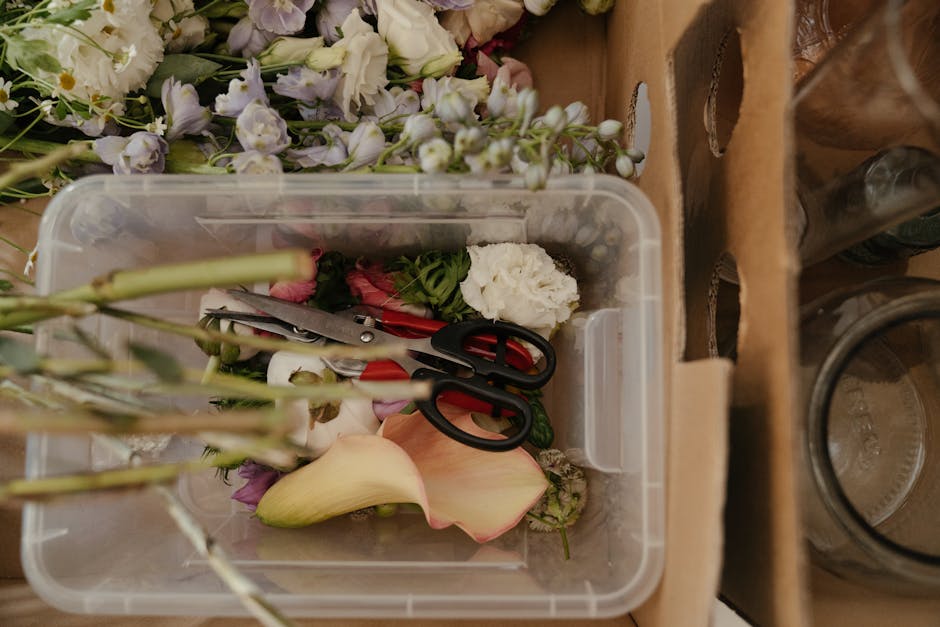
Sustainable flower disposal Hackney Marshes recycling tips
Posted on 25/09/2026
If you have a box of wilted bouquets, wedding stems, or leftover event flowers and you are trying to work out the most sustainable way to deal with them, you are not alone. Sustainable flower disposal Hackney Marshes recycling tips is a very practical topic, because flower waste can be handled in better ways than simply throwing everything into the general bin. With a little sorting, you can reduce landfill waste, recover organic material, and make better choices for homes, venues, florists, and local events around Hackney Marshes.
This guide breaks down what sustainable flower disposal actually means, how to do it well, what to avoid, and where recycling fits into the picture. We will keep it grounded and local, with clear steps you can follow whether you are clearing a wedding table, tidying a shop display, or dealing with a few sad stems after a birthday party. And yes, the advice is designed to be realistic, not idealised. Let's face it, nobody wants a composting project to turn into a soggy mess on a Tuesday evening.
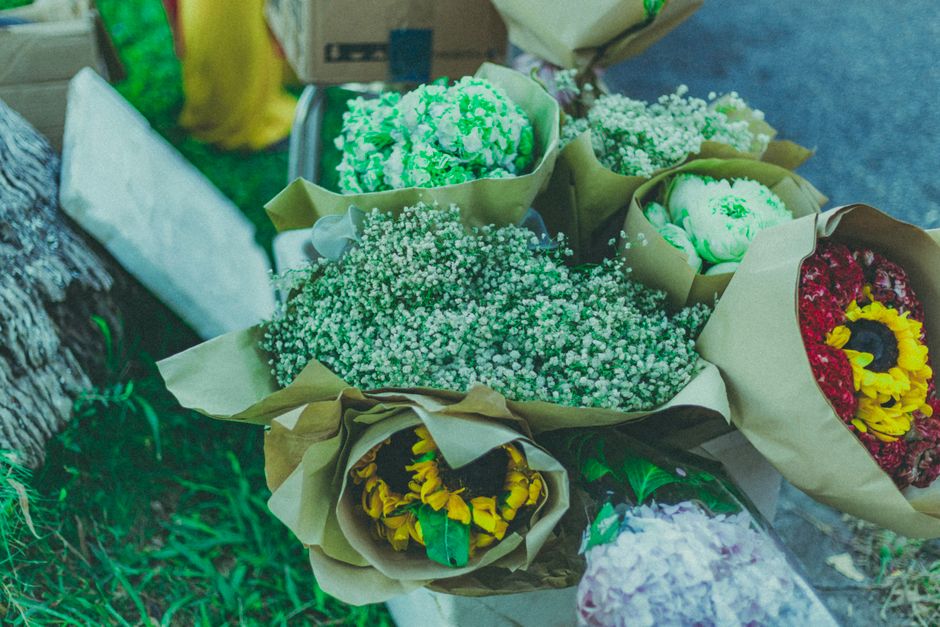
Table of Contents
- Why Sustainable flower disposal Hackney Marshes recycling tips Matters
- How Sustainable flower disposal Hackney Marshes recycling tips Works
- Key Benefits and Practical Advantages
- Who This Is For and When It Makes Sense
- Step-by-Step Guidance
- Expert Tips for Better Results
- Common Mistakes to Avoid
- Tools, Resources and Recommendations
- Law, Compliance, Standards, or Best Practice
- Options, Methods, or Comparison Table
- Case Study or Real-World Example
- Practical Checklist
- Conclusion
- Frequently Asked Questions
Why Sustainable flower disposal Hackney Marshes recycling tips Matters
Flower disposal sounds small. In reality, it sits right at the intersection of waste reduction, local cleanliness, and practical environmental care. Fresh flowers are biodegradable, but that does not mean every part of a bouquet should be tossed anywhere and everywhere. Some stems can be composted. Some packaging can be recycled. Some materials, such as floral foam, plastic wraps, and wire, need separate handling.
In an area like Hackney Marshes, where people use open spaces, venues host gatherings, and households regularly receive flowers for birthdays, anniversaries, and sympathy occasions, the amount of flower waste can build up quietly. One bouquet is no big deal. Ten events in a weekend? Different story. Sustainable disposal helps keep mixed waste streams cleaner and makes recycling more effective overall.
There is also a quality-of-life angle. A crate of rotting flowers left too long can smell damp and earthy in a way that is not exactly charming. The petals go soft, leaves slip everywhere, and the whole thing becomes harder to sort later. Handling flower waste early keeps the process simpler and, frankly, less grim.
Expert summary: The best sustainable approach is usually simple: separate organic material from non-organic packaging, keep recyclable components clean, and choose composting or reuse before general waste whenever possible.
How Sustainable flower disposal Hackney Marshes recycling tips Works
The process starts with sorting. Think of flower disposal as three layers rather than one pile. First, there is the organic flower material itself: petals, stems, leaves, and dead blooms. Second, there is reusable or recyclable packaging: cardboard sleeves, paper wraps, glass vases, and sometimes certain plastics. Third, there are non-recyclable extras such as ribbons with glue, floral foam, tape, and mixed-material decorations.
Once the flowers are separated, the method of disposal depends on what you have. Clean organic waste can often go to composting, either at home or through a green waste collection route if available to you. Clean cardboard and paper packaging may be recyclable through standard paper streams, depending on local rules and contamination levels. Glass containers can usually be reused or recycled. Heavily soiled materials generally need to go in general waste.
The key word is clean. Recycling systems do not love muddy stalks, sticky residue, or bits of plastic twine tangled through cardboard. A small amount of effort up front makes the difference between genuine recycling and a bin load that may be rejected. That is the part people miss most often.
Here is the practical rhythm:
- Remove all non-organic items from the flowers.
- Cut away any decorative tape, foam, plastic picks, or floristry wire.
- Separate compostable plant material from recyclable packaging.
- Keep recyclable paper and cardboard dry and free of food waste.
- Reuse vases, jars, or wrapping where possible.
- Put anything mixed, coated, or contaminated into the correct residual waste stream.
In real life, this does not need to be complicated. A kitchen knife, a pair of scissors, and two bags or boxes will usually do the trick. Simple. Not glamorous, but simple.
Key Benefits and Practical Advantages
There are several good reasons to use a more sustainable approach to flower disposal. The first is obvious: less waste goes to landfill. But there are a few more practical wins that are worth spelling out.
- Cleaner recycling bins: Removing flower debris from cardboard and plastic helps prevent contamination.
- Better composting outcomes: Pure plant material breaks down more effectively than mixed waste.
- Lower disposal volume: Sorting flowers and packaging can reduce the amount of general waste you need to send out.
- Better presentation for venues: For events, neat waste handling looks more professional and less chaotic.
- Reuse potential: Vases, jars, ribbons, and flower bags can often be used again.
- Improved hygiene: Clearing waste promptly reduces odour and mess.
There is also a subtle cost benefit. If you are running a business, a venue, or a large household event, every bag of waste matters. Better sorting often means less mixed rubbish and fewer unnecessary disposal runs. You may not notice it on day one, but over time it adds up.
For florists and event organisers, sustainable flower disposal also supports a greener brand image. People do notice when waste is handled thoughtfully. It may not be the headline moment of a wedding or a shop delivery, but it leaves an impression.
Who This Is For and When It Makes Sense
This advice is useful for a wide mix of people. If you live near Hackney Marshes and have regular flower deliveries, it applies to you. If you run a florist, event space, cafe, or small office that receives arrangements, it applies to you too. And if you are tidying up after a memorial, wedding, or community event, it is especially relevant because floral waste tends to be larger and more varied than a single household bouquet.
You will get the most value from these recycling tips if you are dealing with any of the following:
- Leftover event flowers after weddings, anniversaries, or corporate functions
- Mixed bouquet packaging from retail deliveries
- Wilted flowers that need sorting before bin day
- Large volumes of stems from a florist or charity event
- Glass vases, paper wraps, or cardboard trays that can be reused
It also makes sense when you want your waste handling to match your values. Many people simply prefer to do things properly. That is fair enough. If you are already choosing local flowers or seasonal arrangements, it feels consistent to dispose of them thoughtfully too.
One small but real scenario: a kitchen table covered with old roses, brown leaves, and a few sticky gift wraps after a weekend of celebrations. If you sort it immediately, it is a 10-minute job. If you leave it for two days, it becomes a damp, awkward one. Timing matters.
Step-by-Step Guidance
Here is a straightforward method for disposing of flowers sustainably without overthinking it.
1. Sort the waste into clear groups
Start by separating stems, petals, leaves, cardboard, paper, glass, plastic, wire, and foam. This one step does most of the heavy lifting. Keep a small bin, a cardboard box, and a recycling bag ready before you begin.
2. Remove packaging and attachments
Take off cellophane, rubber bands, tape, bows, foam holders, and decorative picks. Some arrangements are beautifully presented but not especially recycling-friendly. You do not need to preserve the arrangement at this stage. Get straight to the materials.
3. Decide what can be composted
Fresh flower heads, leaves, and stems are usually the easiest part to compost. If you home compost, chop larger stems into smaller pieces so they break down more quickly. If you do not compost at home, check whether your waste collection or a local green waste route accepts plant matter.
4. Set aside recyclable packaging
Cardboard sleeves, paper wraps, and clean glass containers may be recyclable or reusable. Keep them dry. A wet paper sleeve can be a nuisance in a recycling bin, and a sticky box can be rejected. Nobody wants that. Best to flatten and separate everything neatly.
5. Reuse what still has life in it
Before discarding vases, jars, ribbons, or display containers, ask whether they can serve another purpose. A sturdy glass vase can hold another bouquet next week. A paper wrap might be useful for craft projects. Reuse is the easiest form of recycling, and usually the most satisfying.
6. Dispose of the leftovers correctly
If something is mixed-material, contaminated, or not accepted in recycling, it belongs in the appropriate residual waste stream. That is not a failure. It is just proper sorting. The sustainable part is making the right decision rather than guessing.
7. Clean your surfaces afterwards
Flower waste often leaves behind pollen, water, and a few loose leaves. A quick wipe-down prevents odours and keeps the area tidy for next time. If you work in hospitality or retail, this part matters more than people think.
Expert Tips for Better Results
After dealing with a lot of floral waste over time, a few habits consistently make the process easier. These are the things that save time and reduce mess.
- Use a two-bin system: One container for plant waste, one for recyclable packaging. It keeps people from mixing everything by habit.
- Keep a sharp pair of scissors nearby: Wire, string, and taped bundles are easier to separate when you are not wrestling them.
- Dry the packaging before recycling: Damp cardboard is a frequent problem. Let it air for a little while if needed.
- Compost smaller pieces: Chop thick stems into shorter lengths to help breakdown. It is a small effort with decent payoff.
- Reuse vases quickly: If you wait too long, they turn into dusty clutter. Use them again while they are still handy.
- Ask suppliers for lower-waste options: Some floral packaging is more recyclable than others. If you buy regularly, it is worth asking what can be simplified.
One thing that often gets overlooked is timing. Flowers are easier to process when they are just past their best, not when they have fully collapsed. Once stems go slimy, sorting is less pleasant and composting becomes more fiddly. You know the feeling. Not ideal.
If you are managing events, try setting up a clear disposal point during dismantling. That way, staff or family members can separate waste as they go, instead of dumping everything in one pile at the end. It saves a lot of backtracking.
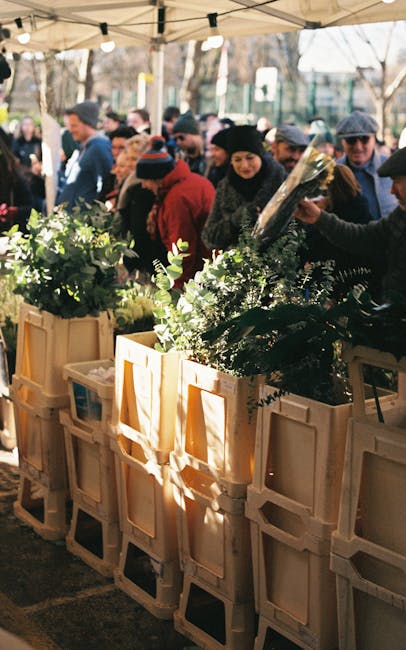
Common Mistakes to Avoid
Most flower disposal mistakes are simple, understandable, and avoidable. The problem is that they create contamination, which can undo the good work you were trying to do in the first place.
- Putting the whole bouquet into recycling: Flowers, tape, foam, and plastic wrap should not all go together.
- Sending wet cardboard to recycling: Moisture can reduce recyclability and create mess in collection containers.
- Ignoring floral foam: This is a common trap. It is not compostable in the same way as stems.
- Forgetting wires and clips: Small metal or plastic components can hide in bunches of stems.
- Leaving flowers too long before sorting: The longer they sit, the smellier and messier they get.
- Assuming all plastic is recyclable: Decorative film, wraps, and mixed plastics vary a lot. Check before you toss.
Another mistake is trying to force everything into one "eco" category. Sustainability is not about pretending every part of a bouquet is compostable. It is about separating materials properly so each item goes to the right place. That distinction matters.
And yes, sometimes the sensible decision is just to put one awkward item into general waste. Better a correct disposal choice than a contaminated recycling bag.
Tools, Resources and Recommendations
You do not need fancy equipment to handle flower waste sustainably, but a few low-cost tools help a lot.
| Item | Why it helps | Best use |
|---|---|---|
| Kitchen scissors or secateurs | Makes stem trimming and wire removal easier | Households, florists, events |
| Compost caddy or small bucket | Keeps plant waste separate and contained | Kitchen counters, prep tables |
| Cardboard box | Useful for flattening and storing clean paper packaging | Sorting before recycling |
| Reusable vase or jar | Supports reuse and reduces single-use containers | Home displays, gift arrangements |
| Garden fork or chopping tool | Helps break down thicker stems for compost | Home compost heaps |
| Labels or tape markers | Helps people sort waste correctly at events | Venues and communal spaces |
If you buy flowers regularly, consider choosing arrangements that are easier to break down later. Simple wrapping, minimal plastic, and reusable containers make a big difference. You can also look at the flower care information available on our site if you want to keep blooms fresh for longer before disposal becomes necessary.
For shoppers who care about waste reduction across the board, our sustainability page is a helpful place to start. It explains the broader approach behind smarter sourcing, packaging, and everyday choices. If you are comparing flowers for a special occasion, the product pages for all flowers, best sellers, and florist choice can also help you choose arrangements that suit your budget and preferences without unnecessary fuss.
Law, Compliance, Standards, or Best Practice
When it comes to flower disposal, the main compliance point is simple: follow local waste collection guidance and do not contaminate recycling streams. In the UK, that usually means keeping organic waste, paper, plastics, glass, and residual waste properly separated according to the rules that apply where you live or work. Exact collection arrangements vary, so it is wise to check the current local instructions rather than assume.
For businesses, there is also a general duty to handle waste responsibly, keep sorting systems sensible, and store waste safely before collection. If you run a florist, venue, cafe, or office, your staff should know what goes where. The best practice is to create a clear internal routine, especially after weddings, funerals, or large seasonal events when floral waste spikes.
A few good standards to follow in practice:
- Do not mix compostable plant matter with plastics or foam.
- Keep recyclable packaging clean and dry.
- Store waste in a way that avoids spills, pests, and odours.
- Train staff or household members on the basic sorting rules.
- Use the most local and accepted disposal route available to you.
For customers and businesses alike, this is not about being perfect. It is about being consistent. A steady system usually beats an ambitious one that nobody follows for more than a week.
Options, Methods, or Comparison Table
Different flower disposal methods suit different situations. Here is a practical comparison so you can choose the right one.
| Method | Best for | Advantages | Limitations |
|---|---|---|---|
| Home composting | Fresh stems, leaves, petals | Low waste, good for gardens | Not suitable for mixed plastics or foam |
| Green waste collection | Larger household or garden volumes | Convenient, usually efficient | May depend on local service rules |
| Reuse | Vases, jars, clean wraps, ribbons | Best environmental result, no disposal needed | Only works for intact items |
| Recycling | Clean cardboard, paper, glass | Useful for packaging recovery | Contamination reduces success |
| Residual waste | Foam, mixed materials, contaminated items | Appropriate for non-recyclable items | Least sustainable option, but sometimes necessary |
If you are deciding quickly, use this rule of thumb: plant material goes to compost or green waste, clean packaging goes to recycling, reusable items get kept, and mixed or dirty bits go to residual waste. That alone will solve most situations.
Case Study or Real-World Example
Imagine a small community gathering near Hackney Marshes on a Saturday evening. There are a few table arrangements, some gift bouquets, and a couple of vases left behind at the end. The next morning, the room smells faintly sweet and green, but also a little wet because some stems were left in water overnight. Very ordinary. Very fixable.
The organiser takes ten minutes to sort the waste into four piles: plant material, cardboard and paper wraps, glass vases, and non-recyclable bits like tape and foam. The plant waste goes into a green waste sack. The cardboard is flattened and kept dry. The vases are washed and stored for another event. The foam and mixed decorations go into general waste. Nothing dramatic, but the difference is noticeable. Less mess, less volume, less stress.
Now compare that with the "throw it all together and deal with it later" approach. By the next day, the flowers have collapsed, the water has leaked, the cardboard is soggy, and the entire lot is harder to handle. Same flowers. Very different outcome. That is the whole point of sustainable disposal: do a little now, avoid a bigger headache later.
Practical Checklist
Use this quick checklist whenever you are sorting flowers for disposal or recycling.
- Remove all plastic wrap, stickers, ties, and decorative extras.
- Separate stems, petals, and leaves from packaging.
- Keep clean cardboard and paper dry.
- Reuse any intact vases, jars, or containers.
- Compost or green-bin the plant material where accepted.
- Check for floral foam and place it in the correct waste stream.
- Take out any wire, clips, or hidden plastic picks.
- Do not mix food waste with recyclable paper.
- Wipe down wet surfaces after sorting.
- Dispose of anything contaminated or mixed in the correct residual bin.
Quick takeaway: if you remember only one thing, remember this: sort flowers by material type, not by appearance. A bouquet may look like one thing, but in waste terms it is usually several different materials.
If you are planning a larger occasion, it can help to think ahead. Ordering flowers in styles that use less packaging, or choosing arrangements that are easier to dismantle, makes the disposal stage much smoother. For practical ordering options, you can also browse flower delivery in South Hackney E9, flower shops in South Hackney, or our sustainability information if you want to align purchase and disposal choices more closely.
Get a free quote today and see how much you can save.
Conclusion
Sustainable flower disposal Hackney Marshes recycling tips are really about making thoughtful, practical choices with everyday waste. Flowers are natural, yes, but the packaging around them often is not. Once you separate the plant material from the packaging, the rest becomes much easier: compost what you can, recycle what is clean and accepted, reuse what still has life, and bin only what truly cannot be recovered.
That approach is better for the environment, better for local waste streams, and better for your own sanity when you are clearing up after an event. And honestly, that matters. A tidy end to a celebration or a quiet household arrangement has its own kind of care in it.
Start small, stay consistent, and keep it simple. A little better each time soon becomes the habit.
Frequently Asked Questions
Can I put dead flowers in the recycling bin?
No, not as loose flowers. Dead flowers should usually go into compost or green waste if that service is available. Recycling bins are for suitable paper, cardboard, glass, and certain plastics, not plant material.
What is the most sustainable way to dispose of a bouquet?
The most sustainable option is usually to separate the bouquet into plant material, recyclable packaging, and reusable items. Compost the flowers, recycle clean packaging, and keep vases or jars for reuse.
Are flower stems compostable?
Yes, most fresh stems are compostable. Thicker woody stems may take longer to break down, so chopping them into smaller pieces usually helps. Remove wire and plastic first.
Can floral foam be recycled?
Usually no. Floral foam is a mixed-material product and is generally not accepted in normal recycling or composting. It is best treated as residual waste unless a specialist route exists locally.
Do I need to remove tape and ribbon before recycling flower packaging?
Yes. Tape, ribbon, glue, and similar extras can contaminate otherwise recyclable packaging. Take them off first so cardboard and paper stay as clean as possible.
What should I do with glass vases from flower deliveries?
Wash and reuse them if you can. If not, glass vases may be recyclable depending on local collection rules. Keeping them intact and clean gives you the best chance of reuse or recycling.
Is it okay to compost roses and other common cut flowers?
Yes, generally fresh cut flowers like roses are suitable for composting once any non-organic materials have been removed. If the blooms are heavily treated or contaminated, use judgement and check local guidance.
How do I stop flower waste from smelling before bin day?
Sort it promptly, remove water from vases, keep organic waste contained, and avoid leaving wet stems in warm rooms. A lidded caddy or tied bag can help keep odours down.
What if my flowers are mixed with plastic wrap and foam?
Separate each material first. Compost the plant parts, recycle only the clean packaging that is accepted locally, and place foam or other non-recyclable mixed materials into the correct waste bin.
Can I reuse old bouquet flowers for anything else?
Sometimes, yes. Dried flowers can be used for crafts, home decor, or small keepsakes if they are still in decent shape. If they are too wilted or brittle, composting is usually the better choice.
Does sustainable flower disposal save money?
It can. Reuse reduces replacement costs, better sorting can cut down on mixed waste, and less contamination means fewer wasted recyclable materials. The savings may be modest at first, but they are real.
Where can I find more flower care and buying guidance?
You can explore the flower care, sustainability, and delivery pages on this site for more practical guidance. If you are choosing flowers for a specific occasion, the product categories for birthdays, weddings, sympathy, or everyday bouquets can also help you plan ahead a bit more neatly.