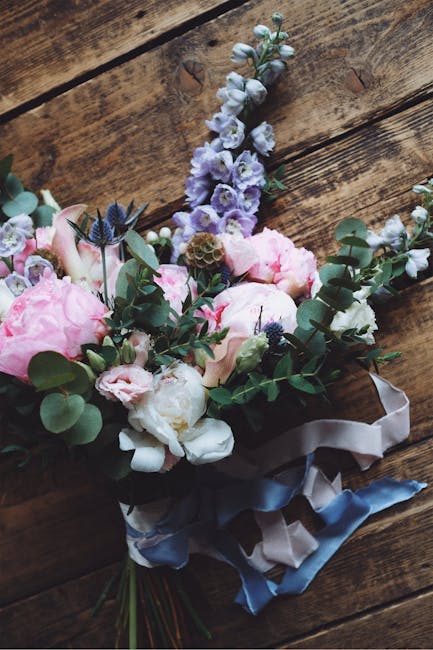
Stoke Newington Hackney wedding flowers case study real results
Posted on 13/10/2026
If you are looking for Stoke Newington Hackney wedding flowers case study real results, you probably want more than pretty pictures. You want to know what actually worked, what felt worth the budget, and how the flowers held up once the day got busy, warm, emotional, and slightly chaotic in the best possible way. Fair enough.
This article breaks down a real-world approach to wedding flowers in Stoke Newington and Hackney, with practical takeaways you can use whether you are planning a small ceremony, a full-day London wedding, or simply trying to decide what to book first. We will look at the process, the benefits, the common mistakes, and the sort of flower choices that tend to create calm rather than extra stress. Because let's face it, weddings have enough moving parts already.
You will also find a simple step-by-step guide, a comparison of options, a checklist, and answers to the questions couples most often ask when they are weighing up wedding floristry in East London.
Why Stoke Newington Hackney wedding flowers case study real results Matters
Wedding flowers are one of those parts of the day that people underestimate until they are standing in the room and realising how much atmosphere they create. A good bouquet is nice. A well-planned floral scheme changes how a venue feels. It softens hard edges, ties colours together, frames photographs, and helps the whole day feel intentional rather than cobbled together.
That is why a real results case study matters. Not because every wedding should copy the same style, but because couples can see how decisions translate into the actual day. Did the flowers suit the venue? Did the bouquets travel well across London? Were buttonholes easy to wear, and did table arrangements survive the sitting-to-speech-to-dancing sequence? Those are the useful questions.
In Stoke Newington and Hackney, weddings often happen in spaces with personality: local halls, intimate restaurants, converted warehouses, community venues, and characterful ceremony rooms. These settings can look stunning with the right flowers, but they also need practical thinking. Tall designs may block sightlines. Fragrant blooms can overwhelm smaller rooms. Delicate petals may not enjoy a warm afternoon if they are set up too early. Real results help you see those details in context.
There is also a decision-making angle here. Couples comparing florists often want reassurance about style consistency, freshness, delivery timing, and whether the flowers will still look good by the point the photographer is calling everyone back for group shots. A case study gives a clearer picture than a gallery alone. You see the process, not just the finish.
Expert summary: the best wedding flower results are rarely the most complicated ones. They are the ones that match the venue, the schedule, and the couple's priorities without fighting the day.
How Stoke Newington Hackney wedding flowers case study real results Works
In practical terms, a wedding flowers case study follows the flow of the event: enquiry, brief, design, preparation, delivery, setup, and the final appearance on the day. That sounds straightforward, but each stage affects the result.
First comes the brief. This is where the couple shares the venue, colour palette, dress style, season, budget range, and any flowers they love or dislike. Some people arrive with a full mood board and half a dozen saved screenshots. Others just know they want "soft, romantic, not too formal." Both are fine. The point is to translate taste into something workable.
Next is the design stage. For weddings in Hackney and Stoke Newington, the florist often has to think about transport and timing as much as aesthetics. London traffic is not exactly famous for kindness. If the flowers are going from shop to venue, or from prep space to church to reception, stem strength and packaging matter. A bouquet can look gorgeous in a still photograph and then become a little sad on a hot staircase. Nobody wants that.
Preparation is where experience shows. Stems need conditioning, water levels matter, ribbon and finishing details matter, and the final pieces need to be checked against the order before dispatch. For table arrangements, the florist may design with low profiles if the room is crowded, or choose stronger structural elements if the venue is grander. For bridal bouquets, balance matters: the arrangement should be beautiful, but not so heavy that it becomes a burden during the day.
On the day itself, the real result depends on coordination. Flowers need to arrive in the right sequence, at the right temperature, with the right handling. Then there is the human side: pinning buttonholes, setting the bridal bouquet aside for photographs, placing reception arrangements without overcrowding tables, and making sure everything still looks fresh once guests have had time to settle in.
You will notice the difference between a good florist and a merely decent one in this final stage. A good one thinks ahead. A better one almost makes the setup look effortless, which is a bit unfair really because there is usually plenty going on behind the scenes.
Key Benefits and Practical Advantages
When wedding flowers are planned properly, the benefits are not just visual. They influence how the whole day feels and how smoothly it runs.
- Better first impressions: guests walk into a space that feels coordinated and welcoming straight away.
- Stronger photography: bouquet colours, table flowers, and buttonholes help the photos feel finished rather than flat.
- More efficient budgeting: a clear floral plan avoids overspending on pieces that do not add much impact.
- Less day-of stress: if the flowers are scheduled well, you are not trying to solve problems at the registrar's office or reception door.
- Better venue fit: the flowers suit the room size, ceiling height, lighting, and table layout.
- Consistent style: bridal bouquet, bridesmaid flowers, buttonholes, and table arrangements all feel like one story.
There is also a practical comfort factor. In smaller East London venues, well-chosen flowers can do the work of larger decor without cluttering the room. In bigger venues, they can stop the space from feeling empty or impersonal. That is a useful middle ground for many couples who want impact, but not overkill.
Another advantage is adaptability. If the wedding is in summer, you may want flowers that cope well with warmth and movement. If it is winter, you may lean towards richer tones, more structure, and arrangements that look intentional under softer light. A case study helps couples see those seasonal choices in action rather than guessing.
Practical takeaway: a successful floral plan is less about buying "more flowers" and more about buying the right flowers in the right places.
Who This Is For and When It Makes Sense
This topic is especially useful for couples planning a wedding in Stoke Newington or Hackney who want real-life guidance rather than glossy inspiration alone. If you are comparing florists, trying to understand what your budget can realistically cover, or deciding whether to go for full venue styling or just key bridal pieces, this kind of case study is for you.
It also makes sense if you are working with a local venue that has some character already. In that situation, flowers should enhance the room, not fight it. A room with brick, wood, soft daylight, or decorative features often needs a more tailored floral response than a blank event space.
Couples who usually benefit most from this approach include:
- people who want a local florist with practical London delivery awareness
- couples planning intimate weddings where every detail is visible
- brides and grooms who want flowers to photograph well without becoming the main event
- those trying to balance aesthetics with budget discipline
- anyone unsure whether bridal bouquets, buttonholes, and table arrangements should all match exactly
It is also useful for planners and family members helping with arrangements. Weddings often become team efforts, and a clear floral plan saves a lot of last-minute "what goes where?" conversations. Honestly, that part alone can be worth it.
If you are still in the early stages, you may also want to browse the broader range of wedding-focused options such as wedding flowers, bridal bouquets, bridesmaid bouquets, buttonholes, and table arrangements to see how the parts fit together.
Step-by-Step Guidance
Here is a straightforward way to approach wedding flowers so the final result feels polished rather than improvised.
- Start with the venue and date. The room, lighting, and season influence flower choice more than many couples expect. A spring wedding and an August wedding may need quite different handling.
- Define the priority pieces. Decide what matters most: bouquet, ceremony flowers, table flowers, buttonholes, entrance pieces, or all of the above.
- Set a realistic budget band. This helps the florist guide you towards designs that deliver the most impact where guests will notice them most.
- Choose a colour direction. You do not need a perfect palette at the start, but you do need a sense of whether you want soft neutrals, white and green, romantic pinks, richer reds, or mixed colours.
- Think about movement. Will bouquets be carried around outdoors? Will flowers need to travel between locations? Will table arrangements need to leave room for food and glasses?
- Review flower availability. Some flowers are seasonal or more reliable at certain times of year. A flexible design usually performs better than a rigid one.
- Confirm logistics early. Delivery windows, contact numbers, venue access, and setup timing all matter. Small details. Big difference.
- Ask for a final run-through. Before the wedding, confirm the order, quantities, colour direction, and any personal pieces like corsages or extra buttonholes.
One thing couples sometimes miss is the flow of the day. Flowers are not only about the ceremony photograph. They need to work for getting ready, greeting guests, sitting on tables, and surviving until the end of the evening. That is why the whole sequence matters, not just the reveal moment.
Expert Tips for Better Results
Here are the bits of advice that tend to make a real difference.
- Choose a few focal points rather than spreading the budget too thin. A strong bouquet plus beautiful table arrangements often looks better than lots of small, forgettable pieces.
- Match floral scale to the room. Tiny flowers in a large venue can disappear. Oversized arrangements in a small room can feel cramped. Balance is everything, really.
- Use flowers that suit the pace of the day. If the ceremony and reception are separated by travel time, sturdier stems can reduce stress.
- Keep one eye on photography. Some flowers read beautifully in person but less clearly on camera. A florist with wedding experience will usually help you avoid that trap.
- Be careful with fragrance. A little scent can be lovely. Too much in a small indoor venue, not so much.
- Ask for handling advice. Bouquets and corsages can look better for longer when they are kept cool and hydrated before use.
- Plan for the "after the ceremony" moment. Guests move around, hugs happen, glasses appear, people lean in for photos. Designs need to survive that.
In our experience, the best results often come from simple, clear direction. A wedding florist does not need every tiny preference on day one. But they do need the practical framework: venue, season, colours, budget, and whether the overall feel should be classic, relaxed, or more dramatic.
And a slightly cheeky but true point: if you have to choose between three extra small details and one better bouquet, the bouquet usually wins. Every time.
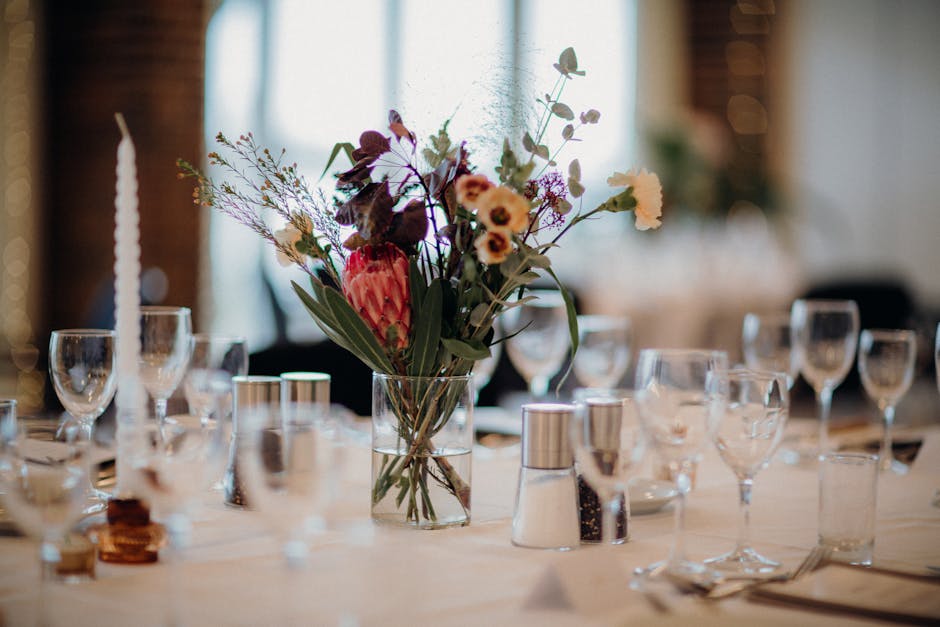
Common Mistakes to Avoid
Wedding flowers can go wrong in a few predictable ways. The good news is that most of them are avoidable if you plan early and keep the design realistic.
- Overcomplicating the brief: too many colours, too many flower types, and too many "must-haves" can create a muddled result.
- Ignoring the venue lighting: flowers can look very different in bright daylight versus a dim evening room.
- Underestimating transport: some arrangements are more fragile than people think, especially in London traffic and tight stairwells.
- Leaving buttonholes and corsages until the end: these small items matter more than they seem, and they are easy to overlook.
- Choosing flowers purely from inspiration photos: pretty images do not always reflect season, budget, or venue conditions.
- Forgetting table function: tall flowers can block conversation, which is awkward when people are trying to eat and chat.
- Not confirming quantities: one bouquet, two bridesmaid bouquets, three buttonholes, or five? Small counting mistakes cause unnecessary panic.
Another common issue is expecting every arrangement to be identical. In real floristry, natural variation is normal, and honestly desirable. Flowers are living materials. Slight shifts in shape and shade add character, not errors.
If you want a more coordinated feel, focus on a shared palette and design language rather than identical stems everywhere. That usually looks more elegant and less forced.
Tools, Resources and Recommendations
You do not need a complicated toolkit to plan wedding flowers well, but a few practical resources make everything easier.
- Venue photos: daylight pictures of the ceremony and reception areas help with scale and colour decisions.
- Guest table plan: useful for estimating how many arrangements you actually need.
- Dress and suit references: fabric texture and colour tone can influence the floral palette.
- Saved inspiration images: helpful if they are focused and realistic, less helpful if they are a random collage of seven different styles.
- Timing notes: a simple schedule of when hair, makeup, transport, photography, and ceremony happen helps the florist plan setup.
For product browsing, the wedding-specific ranges can help couples compare bouquet styles and supporting pieces. If you are building a cohesive order, start with the core items such as the bridal bouquet, bridesmaid bouquet, and groom buttonhole, then work outwards to matching table pieces or wedding collections.
It can also help to browse the wider occasion ranges for colour ideas, especially if you are leaning towards one of the softer or more romantic schemes. A few carefully chosen references can make the consultation much quicker. Much quicker, actually.
Law, Compliance, Standards, or Best Practice
For wedding flowers, the main compliance concerns are usually practical rather than legal in the heavy sense of the word. Still, there are a few best-practice points worth keeping in mind.
Florists should handle flowers safely, keep workspaces clean, and package arrangements in a way that reduces damage during delivery. If flowers are being transported to venues or private homes, clear delivery instructions matter. In busy parts of London, especially around event days and weekend traffic, timing and access are part of the job.
Best practice also includes honest communication about availability and substitutions. Seasonal flowers can vary, and responsible florists should be clear when a requested stem is not at its best or is unavailable. That is not a problem; it is normal floristry. What matters is whether the replacement is made thoughtfully and discussed properly.
If you are arranging flowers for a wedding venue, it is also sensible to check any venue rules about setup times, candle use, ladder access, floor protection, or exit routes. Those rules are venue-specific, so do not assume. A florist with local experience should ask about them, but it is always smart to check yourself too.
Finally, if you are ordering for a ceremony that involves a church, registry office, or licensed venue, make sure the timings are realistic. Flowers delivered too early can suffer in heat. Delivered too late, and the whole day feels rushed. There is a sweet spot, and a good florist will know how to aim for it.
Options, Methods, or Comparison Table
Here is a simple comparison of common wedding flower approaches. There is no single right answer, but this should make the decision easier.
| Approach | Best for | Pros | Watch-outs |
|---|---|---|---|
| Bridal bouquet only | Very small weddings or elopement-style ceremonies | Lower cost, simple to manage, strong personal impact | Less visual effect in venue and photos beyond the couple |
| Bouquet plus buttonholes | Intimate weddings with immediate family focus | Clean, coordinated look, easy logistics | Limited decor presence in the room |
| Bouquet, buttonholes, and table arrangements | Most traditional receptions | Balanced impact, better consistency, stronger photo story | Needs more planning and transport coordination |
| Full wedding flower scheme | Couples wanting a fully styled venue | High visual impact, complete experience | Higher spend, more setup detail, greater need for timing control |
If you are unsure, start with the pieces that will be visible in the most important moments: bouquet, buttonhole, ceremony focal point, and one or two table arrangements. That often gives the best return in both appearance and practicality.
Case Study or Real-World Example
Here is a realistic wedding-floristry example based on the kind of brief many Stoke Newington and Hackney couples bring to the table.
A couple planning a late-summer wedding in Hackney wanted a soft, romantic feel without overloading the venue. The ceremony space had good natural light but the reception room was smaller, with close seating and not much spare surface area. Their main concern was making the flowers feel present in photographs while still keeping the room comfortable for guests.
The solution was to keep the bouquet lush but manageable, use coordinating bridesmaid bouquets rather than highly contrasting ones, and keep table arrangements low so guests could talk across them. Buttonholes were kept simple and tidy so they would sit comfortably on jackets throughout the day. The overall palette stayed in the same family, which made the whole event feel calmer and more cohesive.
What worked well in this kind of setup?
- Low table pieces: guests could see each other, and the flowers still looked polished on camera.
- Consistent tones: the room felt curated without seeming overdesigned.
- Easy handling: the flowers travelled well and did not create last-minute stress.
- Good proportion: nothing felt too large for the space or too tiny to notice.
The real result was not just that the flowers looked nice. It was that they supported the whole day. Guests could move around, the couple could enjoy the ceremony without fuss, and the photographer had plenty of visual detail to work with. That is the sort of result couples are usually hoping for, even if they do not say it out loud at first.
Truth be told, that is often the quiet success of good wedding flowers: people notice them, but they do not have to think about them. They just work.
Practical Checklist
Use this checklist to keep your wedding flower planning on track.
- Venue confirmed and photographed if possible
- Wedding date and timing shared clearly
- Flower budget decided
- Main style direction chosen
- Colour palette agreed
- Bridal bouquet planned
- Bridesmaid bouquets planned
- Buttonholes and corsages counted
- Table arrangements measured against table sizes
- Delivery and setup details confirmed
- Access instructions shared with florist
- Any venue restrictions checked
- Backup contact number provided
- Final order reviewed before the event
If you can tick most of those off early, the day usually feels much smoother. Not perfect, obviously - weddings never are - but much smoother.
Conclusion
Stoke Newington Hackney wedding flowers case study real results matter because they show how floral choices perform in the real world, not just in a styled photo. They help couples understand what works in local venues, how to balance beauty with practicality, and where to focus the budget for the best effect.
The main lesson is simple: the best wedding flowers are the ones that fit the day. The venue, the schedule, the season, the people, the photographs, the mood. When those pieces line up, the flowers do more than decorate. They support the whole experience.
If you are planning a wedding in Stoke Newington or Hackney, choose flowers with both heart and common sense. That combination tends to age well, photograph well, and feel right on the day.
Get a free quote today and see how much you can save.
And if you are still deciding, take your time. The right flowers have a way of making everything feel a little more possible.
Frequently Asked Questions
What does a wedding flowers case study actually show?
A wedding flowers case study shows how the flowers were planned, delivered, and presented on the day. It helps you see the real outcome, not just inspiration images.
Why are real results better than a gallery of pretty bouquets?
Pretty bouquets are useful, but real results show practical things like scale, freshness, handling, and whether the flowers suited the venue and schedule.
How early should I book wedding flowers in Stoke Newington or Hackney?
As early as you reasonably can. Popular dates and seasonal flowers tend to book up first, and leaving it late can narrow your options. Even if your ideas are not final, early contact helps.
What flowers work best for small London wedding venues?
Smaller venues usually suit compact bouquets, low table arrangements, and designs that do not block sightlines. The exact flowers depend on the season and your colour palette.
Can I have different flowers for the bridal bouquet and bridesmaids?
Yes. Many couples choose a main bouquet with slightly simpler matching bouquets for bridesmaids. That keeps the visual balance while still giving the bride something distinctive.
How much should I budget for wedding flowers?
Budgets vary a lot depending on the number of pieces, flower types, and complexity of the design. A florist can usually help you prioritise the areas that will make the biggest visual difference.
Do wedding flowers need to match the venue exactly?
No. They should complement the venue rather than match it perfectly. Sometimes contrast works beautifully, especially in rooms with strong character or architectural features.
What are the most common wedding flower mistakes?
The most common mistakes are overcomplicating the brief, underestimating transport, choosing flowers without considering the venue, and forgetting small items like buttonholes or corsages.
Can buttonholes and corsages be kept simple?
Absolutely. In many weddings, simple buttonholes and corsages look cleaner and wear better throughout the day. Small details, done well, often look more elegant than busy designs.
What should I ask a florist before I book?
Ask about seasonal availability, delivery timing, setup support, substitutions, and how they handle venue access. If you have a budget range, share that too; it saves everyone time.
Are table arrangements worth it for a wedding reception?
They often are, especially if you want the room to feel finished and connected to the rest of the styling. Low arrangements can add a lot without getting in the way of conversation.
How do I make sure my flowers still look good by the evening?
Choose sturdy flowers where needed, keep the schedule realistic, and make sure arrangements are stored and delivered properly. Good prep makes a surprising difference by the time speeches and dancing begin.
Should I choose based on flower type or colour palette?
Usually the colour palette comes first, then the florist can suggest flower types that suit the season and your budget. That tends to produce a more cohesive and reliable result.
What if I do not know what style I want yet?
That is completely normal. Start with the venue, season, and a few words about the feeling you want, such as romantic, elegant, relaxed, or modern. A good florist can work from there.